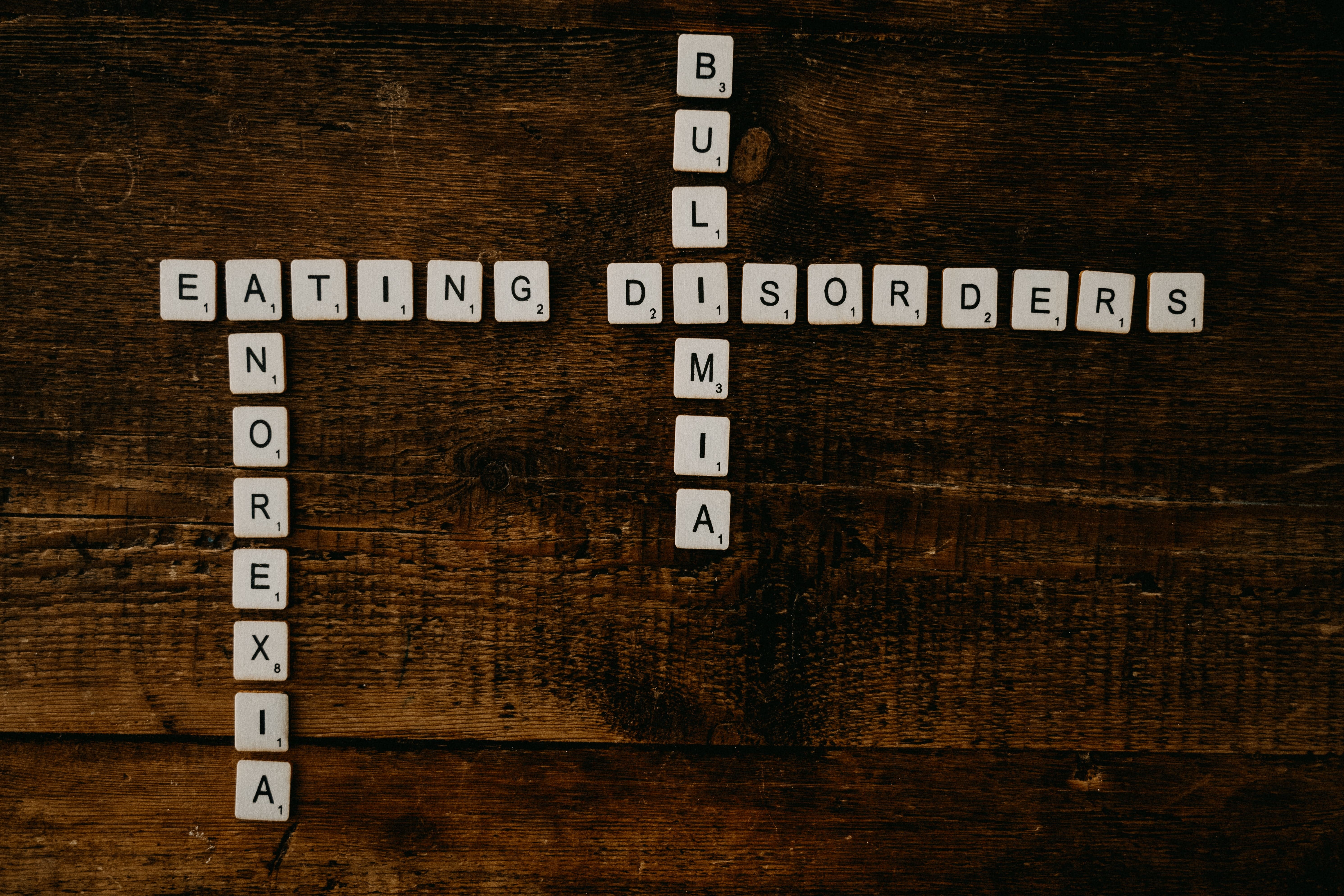
Eating Disorder
Eating disorders are complex mental health conditions characterized by abnormal eating behaviors, distorted body image, and often an intense preoccupation with weight, food, and body shape. There are several different types of eating disorders, each with its own set of symptoms. Here are some common eating disorders and their associated symptoms:
-
- Severe restriction of food intake, leading to significantly low body weight.
- Fear of gaining weight or becoming fat.
- Distorted body image and self-esteem excessively influenced by body shape and weight.
- Amenorrhea (absence of menstruation) in females.
- Intense fear of gaining weight or becoming fat.
-
- Recurrent episodes of binge eating, followed by compensatory behaviors such as self-induced vomiting, excessive exercise, or misuse of laxatives or diuretics.
- A sense of lack of control during binge episodes.
- Preoccupation with body shape and weight.
- Self-esteem overly influenced by body shape and weight.
-
- Recurrent episodes of binge eating characterized by consuming large amounts of food within a specific time period.
- A sense of lack of control during binge episodes.
- Eating until uncomfortably full, even when not hungry.
- Feelings of guilt, shame, or distress after binge eating episodes.
-
Avoidant/Restrictive Food Intake Disorder (ARFID):
- Restriction of certain foods or avoidance of entire food groups.
- Limited food choices based on texture, smell, color, or other sensory characteristics.
- Lack of interest in food or reduced appetite.
- Nutritional deficiencies, weight loss, or failure to meet growth and developmental milestones (in children).
-
Other Specified Feeding or Eating Disorder (OSFED):
- Individuals who exhibit symptoms of an eating disorder but do not meet the full criteria for a specific diagnosis.
- Symptoms may resemble those of anorexia, bulimia, or binge eating disorder but may not meet all the criteria.
6.Psychological factors :-
Eating disorders are influenced by a combination of biological, psychological, and sociocultural factors. Psychological factors play a significant role in the development and maintenance of eating disorders. Here are some key psychological factors that contribute to eating disorders:
-
Body Image Dissatisfaction: Distorted body image, feeling dissatisfied or unhappy with one's body shape or size, and striving for an unrealistic or perceived ideal body image are common psychological factors in eating disorders. Negative body image can lead to extreme efforts to control weight and shape.
-
Low Self-Esteem and Perfectionism: People with eating disorders often struggle with low self-esteem, feelings of inadequacy, and a strong desire for perfection. They may set unattainable standards for themselves and believe that achieving a certain body shape or weight will improve their self-worth.
-
Emotional Regulation: Difficulties in managing emotions and using food and eating behaviors as a way to cope with emotional distress are common in individuals with eating disorders. For some, restricting food intake or engaging in binge eating and purging can provide a temporary sense of control or relief from negative emotions.
-
Control and Identity Issues: Eating disorders can be associated with a need for control, as individuals may turn to rigid dietary rules and rituals to gain a sense of control over their lives. Additionally, the eating disorder may become intertwined with their identity, providing a sense of purpose or a way to cope with underlying issues.
-
Perceived Sociocultural Pressure: Sociocultural factors, such as media portrayals of thinness, societal emphasis on appearance, and pressure to conform to societal beauty standards, can contribute to the development of eating disorders. Internalizing these messages may lead individuals to adopt unhealthy eating behaviors in an attempt to achieve the perceived ideal body shape.