19 June, 2023

PSYCHOSIS

Psychosis is the term for a collection of symptoms that happen when a person has trouble telling the difference between what’s real and what’s not. This disconnection from reality can happen for several reasons, including many different mental and physical conditions. It’s usually treatable with medication and other techniques.

OVERVIEW

What is Psychosis?

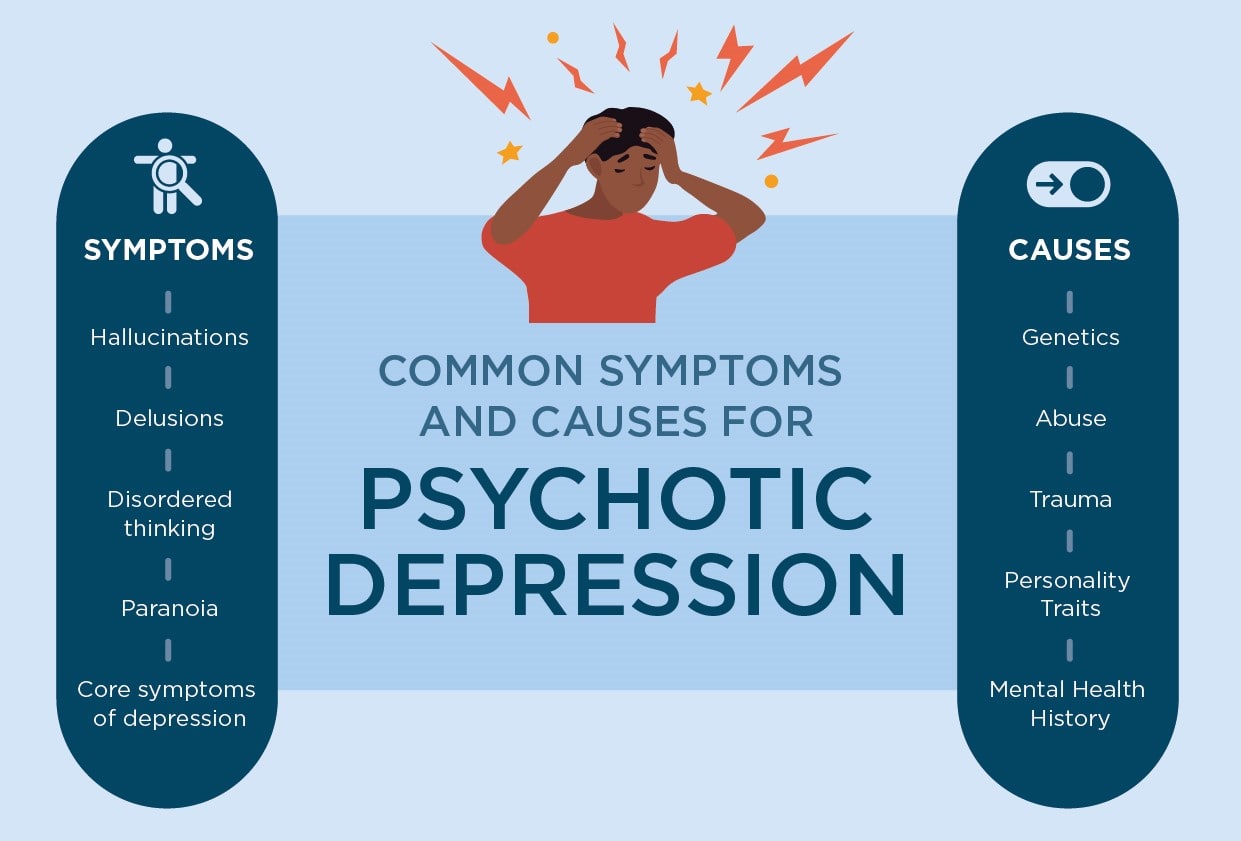
Psychosis is disconnection from reality. People may have false beliefs or experience things that aren’t real. Psychosis isn’t a condition. It’s a term that describes a collection of symptoms.

    Two important types of psychosis include:

  • Hallucinations

    These are when parts of your brain mistakenly act like they would if your senses (vision, hearing, touch, smell and taste) picked up on something actually happening. An example of a hallucination is hearing voices that aren’t there (auditory hallucination).

  • Delusions. These are false beliefs that someone holds onto very strongly, even when others don’t believe them or there’s plenty of evidence that a belief isn't true. For example, people with delusions of control believe someone is controlling their thoughts or actions remotely.

POSSIBLE CAUSES?

What are the most common causes of psychosis?

Psychosis is a common symptom of many mental health conditions. The America Psychiatric Association’s Diagnostic and Statistical Manual of Mental Disorders, Fifth Edition (DSM-5) has an entire category devoted to these conditions.

    This category, “Schizophrenia Spectrum and Other Psychotic Disorders,” includes the following conditions:
  • Schizophrenia.
  • Brief psychotic disorder.
  • Delusional disorder.
  • Schizoaffective disorder.
  • Schizophreniform disorder.
  • Schizotypal (personality) disorder.
  • Substance/medication-induced psychotic disorder.
  • Psychotic disorder due to another medical condition.

    Psychosis can also happen with certain types of mood disorders. Those include:

  • Bipolar disorder.
  • Major depression and related conditions.
  • Other causes of psychosis

    Psychosis, or symptoms that look very much like it, can also happen under other circumstances. The causes will seem more like triggers in some cases because psychosis develops quickly. In others, it may be a slow process. Some of the circumstances or factors that can cause psychosis include:

  • Misuse of alcohol, prescription medications or recreational drugs (the disorder mentioned above is when this lasts for a longer period).
  • Severe head injuries (concussions and traumatic brain injuries).
  • Traumatic experiences (past or present).
  • Unusually high levels of stress or anxiety.
19 June, 2023

How is psychosis treated?

The treatment of psychosis depends mainly on the underlying cause. In those cases, treating the underlying cause is often the only treatment needed.
For psychosis that needs direct treatment, there are several approaches.

  • Medications. Antipsychotic drugs are the most common type of medications to treat psychosis, but other medications, such as antidepressants or lithium, may also help.
  • Cognitive behavioral therapy (CBT). This type of psychotherapy can help with certain mental health conditions that can cause psychosis or make it worse.
  • Inpatient treatment. For severe cases of psychosis, especially when a person may poses a danger to themselves or others, inpatient treatment in a hospital or specialist facility is sometimes necessary.
  • Support programs or care. Many people experience psychosis because of other conditions such as alcohol or substance use disorders and personality disorders. Treating these disorders or helping people with social, work and family programs can sometimes reduce the impact of psychosis and related conditions. These programs can also make it easier for people to manage psychosis and their underlying condition.

    How can psychosis be prevented?

    Psychosis is unpredictable. There are many genetic and lifestyle risk factors, but there’s no way to consistently predict if people will experience these symptoms.
    There are some things people can do to make them less likely to develop these symptoms or conditions that involve it.
  • Avoid recreational marijuana use earlier in life. Researchers have linked psychosis with heavy marijuana use during teenage years and early adulthood. However, there’s disagreement on whether or not marijuana use is a direct cause or if it’s just a contributing factor.
  • Wear safety equipment. Head injuries can result in brain damage that causes psychosis or similar symptoms.
  • Don’t ignore infections. Untreated infections, especially those that affect your eyes and ears, can spread to your brain and cause psychosis.
  • Eat a balanced diet and maintain a healthy weight. Many conditions related to your circulatory and heart health, especially stroke, can cause psychosis and related conditions. Preventing stroke and similar conditions can help reduce your risk of developing psychosis.

    Lorem ipsum dolor sit amet consectetur adipisicing elit. Architecto, reiciendis fugiat quas nemo quia omnis repellat obcaecati quaerat voluptates fuga error dicta cupiditate pariatur soluta dolorum quis eum quibusdam quam?

  • contact me